Everyone’s Healing Timeline Is Different

When it comes to healing, everyone’s timeline is going to be different. There are hundreds of different factors involved—what kind of toxins someone was exposed to in their lifetime, what kind of viruses and bacteria someone was exposed to, how many different toxic metals are in someone’s brain and liver and what is the course of action someone is taking that makes all the difference, along with what someone is up against regarding exposures in their life currently and from the past. It isn’t always the physical challenges but could also be emotional challenges that make it feel almost impossible to stay on top of protocols for someone’s symptoms and conditions. Many people have both the physical pain and suffering combined with mental suffering, making the healing process require more time. And then with the protocols—are they helpful, correct and do they have a true standing record of working? People who struggle with illness need to eventually become their own expert so they can help educate their doctors and become more empowered with results so that forward movement keeps happening. We are all different in how we feel and what we are struggling with because of the many factors we face that are the true causes of chronic illness, but our hearts all need to beat and our blood needs to flow and we all need to take in nourishment in order to live. In this episode you will get a window into your timeline to heal and move forward.
In this episode…
Find out why human beings are all different, and in many ways, close to being the same.
Learn how no one’s soul is exactly the same.
Discover how organs in the human body are all different shapes and sizes and have different cell counts.
See how there are many different exposures people are up against—and how it could change their healing timeline.
Learn how if a person is dabbling, that could shift their healing timeline.
See how setbacks to your healing timeline can happen when bringing in pork, gluten, vinegar, dairy, eggs, and other compromising foods while trying to heal from chronic illness.
Learn about how when someone uses a powerful healing tool, they can reverse their symptoms more quickly than others.
Discover the truth about the true causes such as pathogens, viruses and bacteria, and how it’s best to kill them off to quicken the healing timeline.
Find out how people heal fast by just using two or three healing protocols.
Learn that if you repair old damage done to nerves, you can quicken your healing timeline.
Discover how so many people shed their symptoms away, sometimes over fifty symptoms or more, if applying themselves to enough powerful healing protocols and tools.
Discover how your body is connected to God.
Learn the truth about how your body wants to heal and is always working hard to heal, even if you don’t think it is or believe it is.
Discover how if there was a time you felt good in your life without a lot of symptoms, pain or struggling, and if you try to remember that time and hold onto it, it can help with your healing process.
All this and more, tune in and don’t miss out on this important episode. You can revisit this episode anytime you need it.
For more information visit www.medicalmedium.com

CLEAN, GREEN AND CRAFTED FOR PURE FLAVOR

Typical salad dressings are filled with ingredients we can’t even pronounce. 

Fortunately, there is another way.

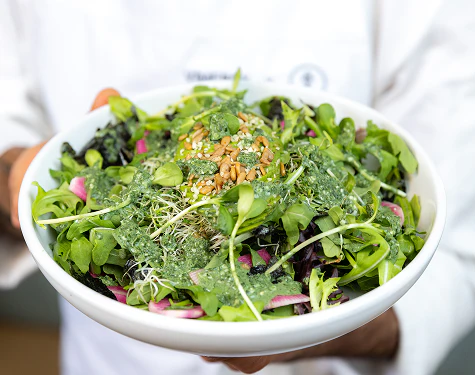
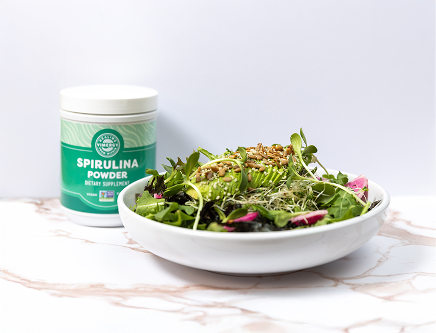
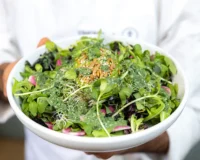
Chef Harvey’s Green Goddess Dressing is herbaceous, creamy, rich and light at the same time. And thanks to VIMERGY Spirulina Powder, it’s completely free from hidden fillers or artificial extras. 

Here’s what you need to make it: 

  • Cilantro 
  • Parsley 
  • Mint  
  • Basil 
  • Dill 
  • Rosemary 
  • Garlic
  • Hemp seeds 
  • Tahini 
  • Lemon juice 
  • Lime juice 
  • Celery juice 
  • VIMERGY Spirulina Powder 
Green Goddess Salad Dressing

Drizzle it over crisp greens, roasted veggies, grain bowls, or even your favorite  wraps and sandwiches – and taste the difference that purposeful ingredients can make. This Green Goddess dressing, crafted by Chef Harvey and infused with pure, potent VIMERGY Spirulina Powder, is more than just a finishing touch.It’s a nourishing, flavor-packed blend that brings together culinary creativity and targeted health support. With every bite, you’re not just enjoying a delicious dish. You’re giving your body the clean, plant-based fuel it craves.  

Real flavor. Real nourishment. No compromise. 

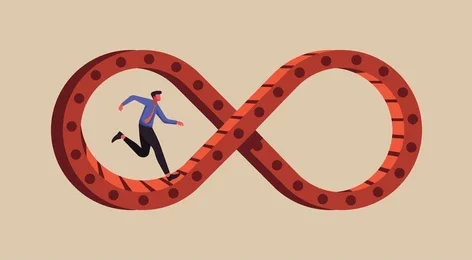
Blood Work: The Endless Cycle

If you were doing something that was harmful to the health of yourself and your loved ones and had no idea what it was because it’s seen as a normal, standard health practice and ritual, would you want to be informed on what it is? For your own safety and loved one’s safety, would you want to know? Getting your blood drawn has pros and cons, but when handled wrongly by your health care provider, it’s all cons—the blood draw indoctrination and system is all a con. As soon as you hear this information you will know how bad things really are and how important it is to know this truth. People are victims of excessive blood draws that aren’t handled appropriately. It is a gross, negligent assault upon the chronically ill and women that are pregnant. Way too much blood is taken for no good reason from humankind in order to test that blood for what the doctor orders. A blood test can be done with one drop of blood, but the health system is corrupted to the point of manipulating doctors into believing large quantities of blood are needed from a patient in order to run the tests being requested. This belief is not the truth. One of the main reasons for miscarriages is that pregnant women are getting too much blood drawn and it’s injuring the baby, causing death. Blood draw also weakens the immune system. Anyone who is getting blood work done, especially on a regular basis, can weaken overtime, causing worsened conditions. There are proper protective measures to take when getting your blood drawn and critical understandings that are needed to protect you and your loved ones. Get ready for this episode…

Listen to this advertisement-free podcast on Apple & Spotify.

In this episode…

  • Learn how to protect yourself from the blood draw scam that’s draining you of your life’s reserves and lifeforce.
  • Discover how the immune system gets weakened from blood draws and how this plays a role in sickness.
  • Find out why your symptoms and conditions worsen because you are trapped in the blood-ordering cycle.
  • Make sense of the truth in how the system is broken and people lose their lives getting bled to death.
  • Learn about how, if you are pregnant, it is imperative to know how to work with your doctor when getting your blood drawn.
  • Discover the gruesome truth of why so many miscarriages occur.
  • Find out what steps and measures to take when you are about to get your blood drawn.
  • Learn the before and after protocols to help recover your blood when getting bloodwork done.
  • Find out where our blood goes after it has been harvested from humankind.

All this and more, tune in and don’t miss out on this important episode. You can revisit this episode anytime you need it.

Why Your Body Knows Before You Do

I want to tell you about a problem I developed with beautiful autumn days.

On September 11th, 2001, I watched, from a few miles away, as the world changed in a single morning. For years afterward, I couldn’t fully enjoy a certain kind of fall day.

The kind that is exquisite in the fullness of its sensory beauty. Blue skies so clear all you can do is sigh, “Perfect”. Sunshine that is warming without being hot. Air that pierces to the center of your being with its clean, cool crispness. The particular quality of light that makes everything look slightly more vivid than usual, as if the world has been freshly laundered.

I used to love those days. After 9/11, they made something in me come to attention, looking for a threat.

Not dramatically. Not in a way I could easily explain to anyone, or even to myself. Just a vague unease that would settle over what should have been a beautiful morning. My eyes would scan the sky, not deliberately, but in the way a rabbit scans for hawks, a quick involuntary sweep that I only noticed afterward. Something in me would pull back from the very thing that should have brought pleasure.

It took me a while to understand what was happening. And when I did understand it, when I finally recognized the mechanism at work, it didn’t feel like a psychological insight. It felt like something clicking into place. Like finally being able to read a sign that had been right in front of me the whole time, in a language I hadn’t yet learned.

What was happening was not grief, exactly. It was not PTSD in the clinical sense. It was something more precise and more ordinary than either of those, and at the same time more fundamental.

My nervous system had learned something. And it was doing its job.

What the nervous system does with experience

Here is something worth understanding about how we are built.

We are not designed to process every experience freshly, from scratch, as if it had never happened before. That would be catastrophically inefficient. Instead, we are designed to learn, to take what has happened, extract the relevant pattern, encode it below conscious awareness, and use it to predict and prepare for what might happen next.

This is the implicit memory system at work. And it is, in most respects, a marvel.

When you learned to drive, you performed each step intentionally, relying on conscious awareness to guide you from one action to the next. The mirrors, the pedals, the distance between your car and the one in front of you, the feel of the wheel under your hands all required concentration. It was effortful and slow and required your full attention.

Now, if you have been driving for years, most of that processing happens automatically, below awareness, without conscious effort, freeing your cortex to think about where you are going rather than how you are getting there. The learning has been encoded implicitly, as procedural memory, and your nervous system runs it without consulting you.

The same process applies to emotional learning. When something happens that carries significant emotional weight, danger, humiliation, loss, overwhelming joy, devastating betrayal, the nervous system doesn’t just process the event. It encodes the sensory context: the quality of light, the smell in the air, the sounds present, the physical sensations in the body at that moment. It creates a sensory imprint of the experience.

And then, going forward, it uses that imprint as a detection system to predict or forecast what comes next.

When the present moment offers sensory cues that match the imprint, even partially, even approximately, the nervous system responds as if the original experience might be recurring. Not because it has made a conscious decision to do so. Your brainstem does this automatically, subcortically, before the thinking mind has a chance to weigh in. That’s in the best interest of your survival.

This is what was happening for me on those beautiful autumn mornings in New York.

My nervous system had encoded September 11th with all of its sensory specificity, the blue sky, the crisp air, the particular quality of the light. It associated those cues with the most catastrophic event I had witnessed in my lifetime. And it was faithfully and efficiently predicting that every morning that matched those cues held the threat of a potential recurrence of that event.

It wasn’t being irrational. It was being exactly what it was designed to be: a fast, efficient, subcortical safety system, running a sensory pattern match between the present moment and its learned library of dangerous experiences, and preparing the body to respond accordingly.

The problem was not the system. The problem was that the system had no way to know that September 11th was a singular event, unlikely to recur on a random Tuesday morning in October. It only knew: these sensory cues were present when something terrible happened. Prepare.

Why knowing isn’t enough

Here is what I also knew, on those autumn mornings.

I knew, intellectually and completely, what was happening. I understood the mechanism. I could have explained it to a colleague in clinical language, cited relevant research, described the pathways in the brain that were involved. By that point, I had spent years studying exactly this, the way the brainstem alerts, the brain structures respond, and the nervous system enacts and replays implicit learning. The way sensory cues trigger subcortical responses, the way the body acts on conclusions the mind (as cortex) didn’t make.

And still my shoulders hunched. And still my eyes swept the sky. And still something in me pulled back from the blue and the crispness and the light.

This is the thing I most want you to understand, the thing that took me years of my own work to fully grasp, and that I now consider one of the most important ideas in this series:

Understanding a pattern is not the same as changing it. Seeing a pattern won’t protect you. Insight won’t prevent it.

The implicit memory system does not update in response to insight. It does not revise its conclusions because the cortex has reasoned its way to a new understanding. It operates in a different register entirely: sensory, subcortical, wordless, and it most efficiently updates in response to something that happens in that same register.

This is why people who have spent years in therapy, who have done enormous amounts of genuinely valuable work on themselves, who understand their patterns with real sophistication and genuine compassion find themselves triggered in the same old ways. Still contracting at the familiar moments. Still running the old responses even as the part of them that understands watches, sometimes helplessly.

Not because the therapy hasn’t worked. Not because they haven’t tried hard enough or understood deeply enough. But because understanding, however deep, however hard-won, is a cortical event. And the pattern lives somewhere else.

It lives in the body.

What this means for self-sabotage

Think about the pattern we have been tracing through this series.

Someone wants something, genuinely, consciously, with real intention and real effort. They plan for it, talk about it. They understand, sometimes with considerable psychological sophistication, exactly what is holding them back. They may have identified the fear, traced it to its origins, recognized the protective logic behind it.

And still they don’t move.

Or they move, and then pull back. Or they get close, and find a way to create exactly the kind of failure or distance that keeps them from having the thing they say they want.

From the outside (and often from the inside) this looks like weakness. Like self-destruction. Like a person who is at some fundamental level their own worst enemy.

What it actually is, in most cases, is implicit memory doing its job.

Somewhere in the specific circumstances of a specific life, the nervous system encoded a learning: this (whatever this is that you want) is dangerous. Getting it has cost me big already. Getting close to it means being exposed to something I have already survived once and don’t want to have to go through again.

That learning, running below conscious awareness, operating through the same bodily felt mechanisms that made those autumn mornings feel threatening shapes behavior from the inside out. Not through conscious decision. Through the automatic, subcortical firing of a pattern that the nervous system has been running faithfully and efficiently ever since the original experience that formed it.

Willpower cannot reach this. Motivation cannot reach this. Understanding, however sophisticated, cannot reach this.

Not because you are broken. Because the learning isn’t stored where willpower and motivation and understanding live.

The good news

There is good news in all of this. Genuine, research-supported, experientially confirmed good news.

The implicit memory system can update.

Not through argument. Not through insight. But through a specific kind of experience, one that offers the nervous system something genuinely new in the register where the old learning lives. One that shows that the prediction of threat was an error.

My autumn morning problem did not resolve through understanding it. It resolved, gradually, piece by piece, over time, through something different. Through turning toward the contracted, scanning, pulling-back response from a calm, resourced body with enough curious, compassionate attention that the nervous system could begin to register something it had not registered before: I am here. This morning is not that morning. Right now, I am calm, relaxed. That expected calamity is not happening now. That was then. Allow your body mind being to register that the prediction of danger was incorrect.

Not as a thought. As a felt experience, in the body, in the present moment.

This is what somatic work makes possible. This is what Somatic Inner Relationship Focusing offers, not a new way of thinking about the pattern, but a new way of being with it, in the body, where it actually lives. And this is what memory reconsolidation research has begun to map with increasing precision: the conditions under which implicit emotional learnings can be updated at the root, rather than merely managed at the surface.

Next week I want to tell you a story about a dentist, a Porsche, and the moment I understood, not intellectually but in my body, what it actually feels like when an old learning begins to change.

Because understanding why the body holds what it holds is only the first step. The next one is learning what it takes to let it go.

If something in this piece landed for you, if you recognized your own version of the autumn morning, the response that arrives before the thought, I’d love to hear about it in the comments. What does your nervous system’s learned response look like? When do you feel it most?

We are four posts into a six post series on self-sabotage, implicit learning, and what it actually takes to change.

Understanding Your Body: A Comprehensive Guide

Understanding Your Body: A Comprehensive Guide

Hey guys! Ever feel like your body is this mysterious entity you’re just kind of along for the ride with? We get it! It’s so easy to disconnect from our physical selves in our busy lives, focusing more on what our brains are doing than what our bodies are telling us. But here’s the real tea: understanding your body is not just about avoiding illness; it’s about unlocking a whole new level of well-being, energy, and self-awareness. Think of your body as your most loyal companion, working tirelessly 247 to keep you going. It sends you signals all the time – hunger pangs, fatigue, little aches and pains, bursts of energy. Are you tuning in, or are you hitting the snooze button on its messages? In this guide, we’re diving deep into what it truly means to understand your body. We’ll explore how different aspects of your life, from what you eat to how you sleep and move, directly impact your physical health. We’ll break down complex biological processes into easy-to-digest chunks, making it less intimidating and more empowering. Get ready to build a stronger, healthier, and more harmonious relationship with the most amazing vessel you’ve got – your body! We’re going to cover everything from the basics of nutrition and exercise to the more nuanced topics like stress management and gut health. It’s all about empowering you with the knowledge to make informed decisions that support your long-term health and vitality. So, buckle up, and let’s start this incredible journey of self-discovery together. It’s time to stop just existing in your body and start truly living in it, with full awareness and appreciation for everything it does for you.

The Fascinating World Inside: How Your Body Works

Let’s get real, guys, your body is an absolute marvel of biological engineering. It’s constantly performing an astonishing array of tasks without you even having to think about it. From the microscopic level of cells to the complex coordination of organ systems, there’s always something incredible happening. Understanding your body’s inner workings is the first step towards appreciating its resilience and its needs. Think about digestion: you eat a meal, and a complex symphony of enzymes, acids, and muscle contractions breaks down the food, extracts nutrients, and discards waste. Pretty wild, right? Or consider your circulatory system – a relentless pump, your heart, pushing blood through miles of vessels to deliver oxygen and nutrients to every single cell. Your nervous system, a lightning-fast communication network, allows you to react to your environment, feel sensations, and process thoughts. Even something as simple as breathing is a marvel, involving intricate muscle movements and gas exchange in your lungs. But here’s the kicker: this intricate system is incredibly sensitive to what you do. The food you eat, the air you breathe, the stress you experience, the sleep you get – all of it directly influences how efficiently and effectively your body operates. When you consistently fuel it with nutritious foods, it runs like a well-oiled machine. When you’re constantly stressed or sleep-deprived, it’s like trying to drive a sports car with the parking brake on. We’ll delve into the basics of how your major organ systems function – the digestive, cardiovascular, respiratory, nervous, and endocrine systems – and how they all interdependently keep you alive and thriving. Understanding these fundamental processes will not only satisfy your curiosity but also equip you with the knowledge to make better choices for your health. It’s not about becoming a doctor overnight; it’s about gaining a foundational understanding that empowers you to listen to your body’s cues and respond appropriately. We’ll explore how your body repairs itself, fights off infections, and adapts to challenges. You’ll learn about the importance of hydration, the role of hormones in everything from mood to metabolism, and how your brain and gut are in constant communication. This section is all about building that essential awareness, so you can move from simply inhabiting your body to actively participating in its health and well-being. Get ready to be amazed by the biological powerhouse you are!

Fueling Your Engine: The Power of Nutrition

Alright, team, let’s talk about the absolute bedrock of feeling good: fueling your body with proper nutrition. Seriously, what you put into your body is like putting gas in your car. You wouldn’t fill a Ferrari with low-grade fuel and expect it to perform, right? Same goes for your amazing biological machine! Nutrition isn’t just about avoiding junk food; it’s about actively choosing foods that give you energy, support your immune system, keep your brain sharp, and help your body repair and grow. We’re talking about macronutrients – proteins, carbs, and fats – and micronutrients – vitamins and minerals. Each plays a crucial role. Proteins are the building blocks for muscles, tissues, and enzymes. Carbohydrates are your primary energy source, powering everything from your workouts to your brain. Healthy fats are vital for hormone production, nutrient absorption, and brain health. Then you have the vitamins and minerals, those tiny powerhouses that enable countless biochemical reactions, from boosting your immune system to keeping your bones strong. It’s easy to get overwhelmed by all the diet trends out there, but at its core, good nutrition is about balance and whole foods. Think vibrant fruits and vegetables, lean proteins, whole grains, and healthy fats. These foods provide the essential nutrients your body craves to function optimally. We’ll break down the myths surrounding popular diets and focus on sustainable, enjoyable eating habits. We’ll explore the concept of a balanced plate, understanding portion sizes, and how to make healthy choices even when you’re on the go. We’ll also touch upon the importance of hydration – seriously, water is your best friend! – and how it impacts everything from energy levels to skin health. Understanding your nutritional needs isn’t about restriction; it’s about abundance. It’s about giving your body the best possible tools to thrive, feel energized, and fight off disease. So, let’s get you equipped with the knowledge to make food your ally, not your enemy. Get ready to feel the difference that nourishing your body truly makes!

Hydration: The Unsung Hero

Guys, we have to talk about hydration. It’s probably the most overlooked, yet arguably one of the most critical aspects of understanding your body and keeping it running smoothly. Think about it: our bodies are made up of about 60% water! That water isn’t just sitting there; it’s actively involved in everything. It’s the medium for transporting nutrients to your cells, flushing out waste products, lubricating your joints, regulating your body temperature, and even helping your brain function properly. When you’re even slightly dehydrated, you can feel it. That headache creeping in? The fatigue that hits you mid-afternoon? The foggy brain that makes it hard to concentrate? A lot of the time, it’s simply because you haven’t had enough water. Dehydration can lead to a whole host of issues, from constipation and dry skin to more serious problems like kidney stones and heatstroke. But the good news is, it’s usually super easy to fix! We’ll dive into how much water you actually need (spoiler: it’s more than you probably think!), the signs of dehydration to look out for, and practical tips for increasing your water intake throughout the day. Forget chugging giant bottles all at once; we’re talking about consistent, mindful sipping. We’ll explore how different factors like activity level, climate, and diet can affect your hydration needs. You’ll learn to recognize when your body is asking for a drink and how to make water more appealing if you find plain old water a bit boring. Staying properly hydrated is one of the simplest yet most powerful things you can do to support your energy levels, mood, cognitive function, and overall physical health. It’s a fundamental pillar of understanding your body and taking care of it. So, let’s make sure this unsung hero gets the spotlight it deserves!

Moving Your Machine: The Importance of Physical Activity

Let’s get moving, team! If nutrition is the fuel, then physical activity is the maintenance and performance tuning for your incredible body. We’re not talking about becoming Olympic athletes here, guys. We’re talking about the fundamental need for movement that our bodies are designed for. Think of your body as a complex machine. If it sits idle for too long, parts can seize up, efficiency drops, and things start to go wrong. Regular movement, on the other hand, keeps everything lubricated, strengthens your muscles and bones, boosts your cardiovascular health, and even does wonders for your mental state. When you engage in physical activity, your heart pumps more efficiently, your lungs take in more oxygen, your muscles get stronger, and your metabolism gets a kickstart. It’s also a powerful stress reliever! That endorphin rush you feel after a good workout? That’s your body’s natural mood booster at work. Understanding your body’s need for movement is key to preventing a host of chronic diseases, from heart disease and diabetes to certain types of cancer. We’ll explore different types of exercise – aerobic, strength training, flexibility – and how they contribute to overall health. We’ll discuss how to find activities you genuinely enjoy, because let’s be honest, if it feels like a chore, you’re not going to stick with it. We’ll talk about incorporating more movement into your daily life, even if you have a desk job or a busy schedule. It’s about finding a rhythm that works for you, gradually building up your fitness, and listening to your body’s signals. We’ll cover the importance of proper form to prevent injuries and how to set realistic goals that keep you motivated. This isn’t about punishing yourself; it’s about celebrating what your body can do and enhancing its capabilities. Get ready to feel stronger, more energetic, and more alive by making movement a non-negotiable part of your life!

Strength Training: More Than Just Muscle

When we talk about physical activity, a lot of people immediately picture cardio – running, cycling, dancing. And yeah, that’s super important! But guys, we cannot sleep on the power of strength training. It’s way more than just about building big muscles; it’s a fundamental pillar for understanding your body and ensuring its long-term health and function. Think of your muscles as your body’s engines and support system. The more muscle mass you have, the more calories you burn even at rest – hello, boosted metabolism! Strength training also dramatically improves bone density, which is crucial for preventing osteoporosis as we age. It enhances your balance and coordination, reducing your risk of falls and injuries. Plus, stronger muscles mean everyday tasks become easier, whether it’s carrying groceries, playing with kids, or just getting out of a chair. We’ll break down the basics of strength training, covering different types of exercises (bodyweight, free weights, resistance bands) and how to perform them safely and effectively. We’ll discuss how to structure a beginner-friendly routine and the importance of progressive overload – how to gradually challenge your muscles to keep getting stronger. It’s about building functional strength that supports your daily life and boosts your confidence. We’ll debunk common myths about strength training, like the idea that women will get

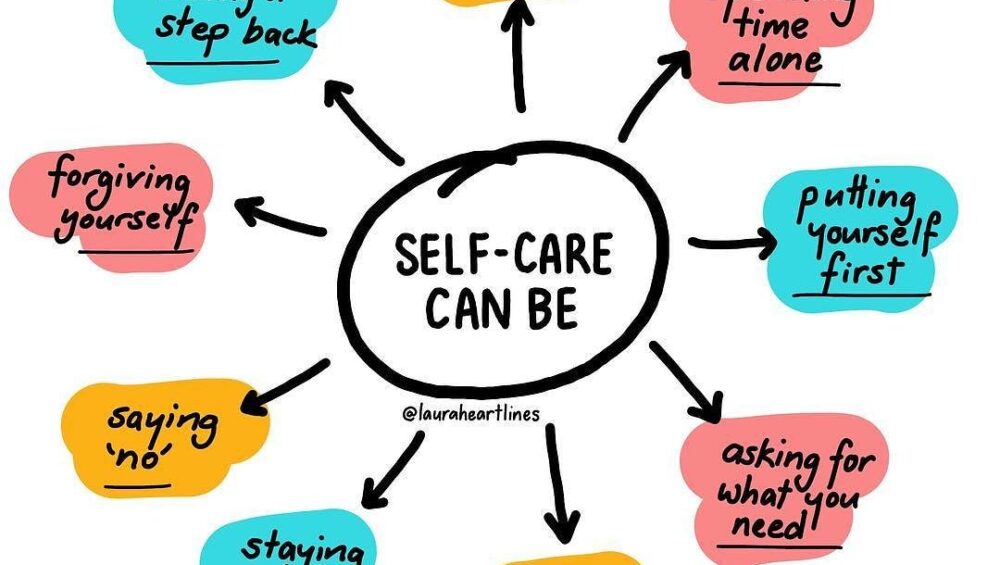
Self-care tips – take care of yourself every day

When we talk about health, we usually only think about physical health. However, taking care of your mental well-being is equally important. As time goes by, our lives are getting faster, and we need to pause now and then, just to breathe and nurture ourselves. Otherwise, our thoughts and emotions can become chaotic. Instead of neglecting your needs and working, working, working, it would be better if you started paying attention to your mental health. Therefore, we want to share some self-care tips today to help you relax, take care of yourself, and prioritize me-time. So keep reading to get some self-care ideas from Under Your Skin and feel better in your everyday life.

What is self-care?

First and foremost, we want to explain the concept of self-care to you. Self-care is an essential part of a healthy lifestyle. It means being kind to yourself, working on self-improvement, and trying to be aware of your feelings, thoughts, and states of mind. It’s about taking care of your physical, mental, and emotional health. Taking care of yourself improves your life, achieves balance, and generally makes you happier and more relaxed.

If you feel good and healthy on the inside, you will feel even better on the outside. Therefore, it is crucial to focus on your inner world and your own needs. Especially during the pandemic, which affects people in many different ways, it is essential to take time for self-care. Since you need to spend more time with yourself, here we will share some ideas on how you can focus on self-care every day.

en kvinnas ansikte

How to practice self-care?

The concept of self-care differs for everyone. For some, self-care is a quiet moment in nature, while for others, it’s an hour at the gym. There are countless things you can do to take care of yourself and practice self-care. If you don’t know where to start, we can help you with this.

Establish a good skincare routine and enjoy your me-time. After a long day at work, with a series of unpleasant news and all the other things in everyday life that cause stress, you need some time for yourself. One of the best ways is to take care of your body and indulge in me-time, for example, by taking care of your skin. Self-care is about much more than just skincare, but face masks help you relax. So our tip is to spend some time both morning and evening taking care of your skin, forgetting all the stress, and relaxing.

  • Create a skincare routine. Cleansing, moisturizing, sunscreen, exfoliation – these are some steps you can add to your routine to get the best results. Choose your favorite serum or a natural face oil, and you will enjoy your skincare time.
  • Treat yourself to a face mask. For some extra nourishment, moisture, and love, it would be nice to use a face mask at least once a week. They can help you get soft and smooth skin!
  • Take care of your whole body. When you have extra time, you can also use an organic body lotion to care for your entire body.

Take a break from your phone and social media. Most of us spend too much time on social media and screens. We read about other people’s lives, look at their pictures and videos, and compare ourselves to their successes. We absorb so much information and impressions that it can be overwhelming. So if you are looking for self-care tips and advice that can help, taking a break from screens is one of the best things you can do for your mental health.

Put your phone on silent and don’t check it for a while. Instead, you can take a walk, read a book, cook, meet your friends, exercise, write, etc. Work on self-improvement instead of scrolling all day.

en dagbok för att reflektera och följa våra self-care tips

Become aware of your inner world. We often go on autopilot and do things in our daily lives without thinking about them. In doing so, we often neglect our thoughts, feelings, and needs. So if you really want to take care of yourself and be kind to yourself, you need to listen inward and become aware of the inner you. Here are three self-care tips you can follow to reflect on your thoughts and look inward.

  • Meditate – by meditating for at least 10 minutes every day, you will learn to manage stress, your emotions, and observe your inner world. It can also help you unwind in the evening and sleep better.
  • Write a journal – to talk about and address your thoughts, fears, worries, and feelings, we recommend starting a journal.
  • Practice breathing exercises – one thing you can do for yourself is to try some breathing exercises. Focus on your breathing and learn to relax and be in the moment.

Exercise and take care of both your outer and inner self. When you set aside time for self-care, you should know that it should include both inner and outer care. Therefore, a crucial part of self-care is movement and exercise. By taking a walk, jogging in the park, doing yoga, or going to the gym, you increase your body’s production of endorphins, making you happier. Moreover, you take care of your body, your muscles, your heart, and your brain. Exercise also gives you a chance to forget all your everyday worries and relieve stress.

Prioritize sleep. One of the most critical factors affecting your mood, health, and energy is sleep. If you truly want to take care of your mind and body, you need to give yourself time to rest. Your whole body needs to recover, so a crucial self-care tip is to make sure you get enough sleep. You don’t have to be active and productive all the time! It’s okay to relax for a while and recharge.

What does self-care mean to you?

So now that you have read our self-care tips that can help you value me-time and enjoy more when you spend time with yourself. But since everyone has different ways of practicing self-care, it would be fun to hear your favorite ways to take care of your mental and physical health. Please feel free to comment and share your own tips and self-care ideas!

Epstein-Barr Virus & Streptococcus Cofactor

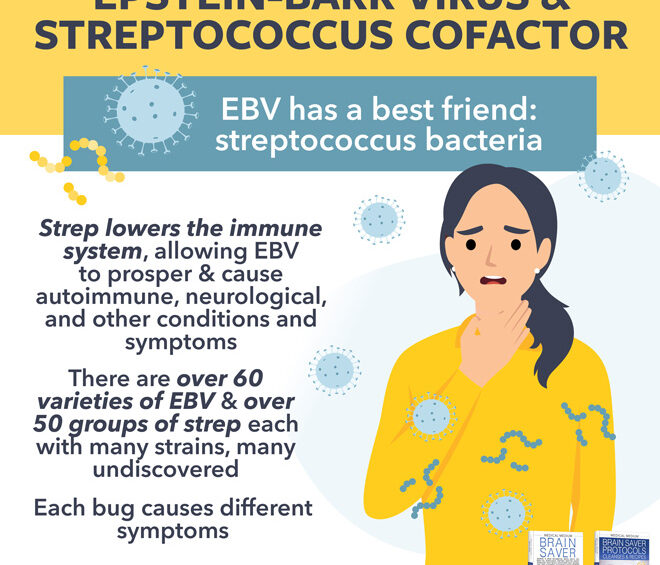
Epstein-Barr virus (EBV) has a best friend: streptococcus bacteria. Strep is EBV’s number one cofactor–this virus and bacteria have an affiliation. They work with each other: as strep distracts and weakens the immune system, EBV can proliferate and create autoimmune, neurological, and other symptoms and conditions. Strep is an immune system complicator, weakener, and overloader.

There are over 60 varieties of EBV and over 50 groups of strep, each with many strains, many of which are undiscovered. Most people carry more than one strain of Streptococcus bacteria throughout a lifetime. Out of all the bacteria that are harmful to us, strep is what people contract and live with the most. Because strep can be antibiotic-resistant, it’s becoming the new superbug. Some strains of strep can cause chronic conditions and not give in or let up, leading someone to live miserably. A person can end up collecting several varieties and strains of strep that eventually camp out in the liver, intestinal tract, and other organs.

During EBV’s Stage Two, Streptococcus can travel up to create strep throat and/or infest the sinuses, nose, mouth, or ears. It can also travel down to create infections in the urinary tract, vagina, kidneys, or bladder…eventually causing cystitis.

Strep is the cause of:

Acne

UTIs

Pneumonia

Interstitial cystitis

Chronic allergies

Chronic sinusitis

Intestinal disorders

SIBO

Otitis media

Sties

Pelvic Inflammatory Disease

Prostatitis

Sore throats

Headaches and migraines

Fatigue

Confusion

Bacterial vaginosis

Yeast infections

Bladder sensitivities

Low-grade fevers, and more.

Protect Yourself From The Super Flu

The Super Flu H3N2 subclade k strain is still on the loose and “hush hush” is the word as it’s making people’s lives misery. Not many in the field of health are talking about how difficult this flu is because people are still highly allergic to the hell they all went through in 2020 when everyone was told to lock down and mask up. Once again, these viruses are released out of the gate to experiment on humankind to see how people react and see how mild to aggressive these flu strains can be. It’s all part of Classified Medical Research and Science’s ongoing, funded game by the hierarchy, all to someday bring us a variety of viruses that have no mercy. Luckily, the new H3N2 strain has limitations, If you take care of yourself and loved ones with the right tools, you can bypass it’s full effects such as a longer fever, heavy congestion and long-term post-flu symptoms and conditions. One of this flu strain’s jobs is to challenge our adrenals, creating adrenal fatigue that can last months afterwards. The H3N2 also creates deep deficiencies, causing weaknesses in all body systems that can play a roll in future health. There are ways to protect yourself from the goals of the flu-makers and their new creation. Get ready… In this episode… Find out what to avoid when it comes down to food choices when catching the flu or battling a flu-related illness. Discover how these flu and Covid viruses are at their strongest when they are first released by the labs that are purposefully creating them. Learn how over time, after the Super Flu has gone through millions of people’s immune systems, it becomes weaker—and why this happens. See how it’s possible if you caught a flu in December, that this isn’t the Super Flu going around now, and how it’s important to protect yourself, so you don’t catch another one—and this time it is the Super Flu. Learn about how the Super Flu weakens the immune system so that other viruses such as EBV and Shingles can take advantage, and how you can protect yourself with knowledge about what to eat and other healing options. Know what is happening behind the health community’s back, the true goals of the flu mission, what is gained from it and where the living flu virus strains really derive from. Learn who is behind the manufacturing and engineering of these bugs and how they also are behind the Chem Trails. Learn how to protect your adrenal glands from the Super Flu strain H3N2 and how to keep deficiencies away so that future illnesses don’t arise. All this and more, tune in and don’t miss out on this important episode. You can revisit this episode anytime you need it. For more information visit www.medicalmedium.com

Brain Meditation – Letting Go Of Fear

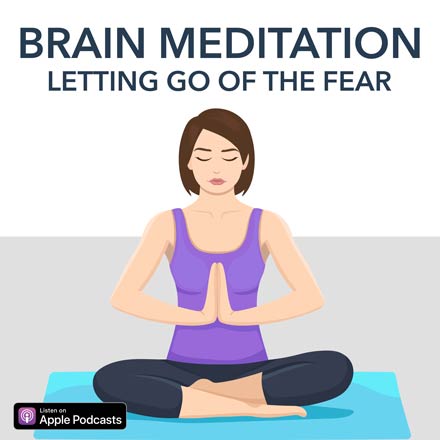
As we go through life, our soul becomes injured from betrayal and broken trust, creating fear within us. Fear becomes a part of our soul and gets in the way of who we are and who we aspire to be. Fear hinders the bridge between our soul and our physical brain; this bridge is the connection that allows us to feel safe, trusting, and secure. With this powerful Brain Meditation, you will be able to mend and strengthen the bridge between your brain and soul, and take back your life.

Life is not easy, so many of us experience hardships and losses, and go through emotional struggles, broken relationships and friendships, divorces, and difficult work experiences. Navigating through life can be stressful, leading to a loss in confidence and trust in ourselves and others we meet along the way. This can affect how we see ourselves, and over time, PTSD can develop from life struggles and our insecurities. The Medical Medium Brain Meditation brings us back to who we always were deep down inside, long before our hardships. It’s about returning home and back to a strong state of being, healing and overcoming our hardships, and restoring the connection between our soul and physical body.

I recommend repeating this meditation daily, every other day, or a couple times a week. Each time you do this meditation, it becomes more powerful in its ability to mend the bridge between your soul and body. This meditation is about taking control of your life and not letting fear run you or own you in any way. Completing this meditation allows the neurons in the emotional center of your brain to strengthen and redirect their messaging away from fear, thus making neurotransmitters and electrical impulses strong and free from the short-circuiting that fear creates.

Bringing this Brain Meditation into your life will help repair the fear and broken trust which holds us back. You can take your life back and heal.

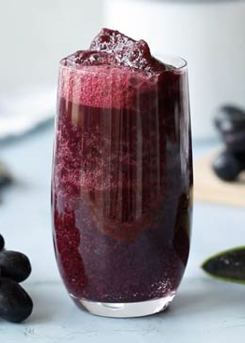
Aloe Grape Slushy

Get the incredible healing benefits of aloe vera in this sweet grape slushy. Refreshing and delicious, this slushy makes a wonderful light breakfast or snack. If you suffer with constipation, you might find the combination of grapes and aloe vera in this drink bring you welcome relief!

Grapes contain high amounts of powerful antioxidants known as bioflavonoids, resveratrol, and anthocyanins. These phytochemicals are anti-inflammatory, anti-viral, anti-microbial, anti-aging, and anti-cancerous and provide protection against anemia, degenerative nerve diseases, heart disease, viral and fungal infections, Alzheimer’s, autoimmune disorders, and all forms of cancer. Grapes can also help provide relief from asthma, migraines, constipation, gastritis, chronic acidosis, indigestion, kidney disorders, fatigue, and vision problems.

Fresh aloe leaf gel binds onto toxic debris in the intestinal tract and carries it out of the colon during elimination. Aloe also reduces poisons and toxins in the intestinal tract so that they don’t travel up to the liver. It expels and diminishes ammonia inside the intestinal tract that otherwise seeps into the liver when food is putrefying due to low hydrochloric acid and bile production.

Aloe also works wonders for assimilation, circulation, and elimination. It is known to purify the blood, reduce inflammation, ease arthritis pain, prevent kidney stones, lower high cholesterol, prevent Candida, boost physical endurance, benefit cardiovascular health, and protect the body from oxidative stress. Aloe soothes ulcers, hemorrhoids, gastritis, diverticulitis, colitis, irritable bowel syndrome, and other digestive disorders. Aloe provides recovery from fatigue and aids in muscle function as well as optimal utilization of several vitamins, minerals, and enzymes. It’s alkaline nature, helps to soothe acidosis and alkalinize the whole body. 

Aloe Grape Slushy 

Ingredients:

  • 2″-4″ fresh aloe leaf gel
  • 2 cups frozen seedless black or purple grapes
  • splash of water, if needed to blend

Directions:

Place all the ingredients in a blender and blend until smooth. Serve immediately.

Select the fields to be shown. Others will be hidden. Drag and drop to rearrange the order.
  • Image
  • SKU
  • Rating
  • Price
  • Stock
  • Availability
  • Add to cart
  • Description
  • Content
  • Weight
  • Dimensions
  • Additional information
Click outside to hide the comparison bar
Compare
Shopping cart close